
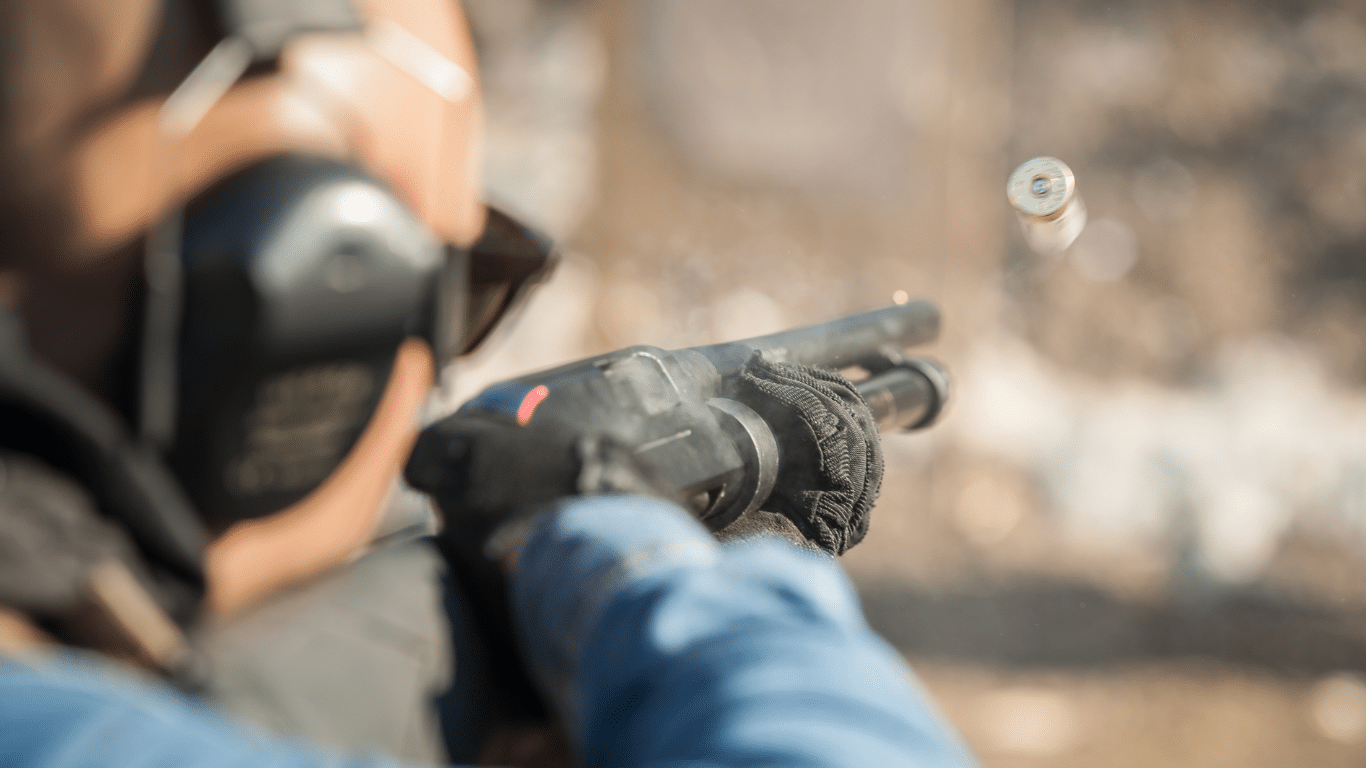
Shooting Gloves That Preserve Trigger Control in Real Weather
I hate shooting with gloves, especially pistols. After 35+ years of shooting, I still prefer bare skin on the trigger. That hasn’t changed. What has changed is reality: rain, cold, and long outdoor sessions in West Coast Canada eventually force the issue.
This guide exists for civilian shooters in the USA and Canada who shoot in real weather and are actively choosing gloves before buying. It is not for indoor-only range shooters, military users, or competition shooters who prioritize speed over protection. If you want gloves because they look tactical, this approach will frustrate you.
The goal here is narrow and strict: identify shooting gloves that preserve trigger control, dexterity, and safety when gloves become unavoidable.
When Shooting Gloves Are Actually Necessary
Shooting gloves are not essential equipment in most conditions. In many cases, they make shooting worse. Weather is the only reason I tolerate them.
| Shooting Scenario | Bare Hands Preferred | Gloves Recommended | Why This Matters |
|---|---|---|---|
| Indoor range / dry conditions | ✅ Yes | ❌ No | Maximum trigger sensitivity and feedback |
| Short pistol sessions (above freezing) | ✅ Yes | ❌ No | Gloves reduce trigger control more than they help |
| Wet weather (rain, snowmelt) | ❌ No | ✅ Yes | Wet gloves maintain grip better than wet skin |
| Sub-freezing temperatures | ❌ No | ✅ Yes | Numb fingers degrade safety faster than thin gloves |
| Extended outdoor shooting (1+ hour) | ❌ No | ✅ Yes | Cold and moisture compound over time |
| Rifle / shotgun hunting | ⚠️ Sometimes | ✅ Often | Larger controls tolerate thin gloves |
| Extreme cold (below ~20°F) | ❌ No | ✅ Required | Frostbite risk outweighs dexterity loss |
Wet Conditions That Compromise Grip
Rain creates unsafe handling conditions faster than most shooters expect. Wet polymer grips, soaked wood stocks, and slick metal controls reduce friction and increase the chance of slippage during recoil and manipulation.
In sustained rain, bare hands lose grip consistency. In these conditions, a thin glove with a high-friction synthetic palm can improve control rather than reduce it, if it preserves finger articulation.
Sub-Freezing Temperatures and Cold Metal
Cold metal pulls heat fast. Extended contact with triggers, magazines, bolt handles, and shotgun receivers creates a real frostbite risk. Below freezing, numb fingers destroy accuracy and control long before most shooters admit it.
At this point, gloves become a safety requirement, not a comfort choice.
Occupational safety research from the National Institute for Occupational Safety and Health (NIOSH) shows that cold exposure reduces finger dexterity and fine motor control, which is why numb hands become a safety liability long before most shooters expect.
Extended Outdoor Shooting Sessions
Hunting and winter training sessions expose hands for hours. Gloves that feel acceptable for ten minutes often become unbearable after an hour once moisture, sweat, and cold set in.
Only gloves that stay flexible, dry, and comfortable under prolonged exposure earn a place in a serious shooter’s kit.
My Evaluation Standard (Why Most Gloves Fail)
I approach gloves as a reluctant user. My standard is simple.
Would I actually choose to wear these, or leave them in the truck?
Anything that interferes with trigger feel, delays magazine changes, complicates malfunction clearing, or causes sloppy finger placement fails immediately. Most gloves do.
This standard comes from decades of pistol shooting where trigger discipline is non-negotiable. Even when evaluating gloves for rifle or shotgun use, that bias remains. If a glove cannot pass pistol-level scrutiny, it does not earn trust.
I only tolerate shooting gloves that meet all of the following criteria:
- Trigger feel remains predictable – I must clearly feel trigger face contact and reset without exaggerated pressure.
- No material bunching at the trigger guard – Excess fabric near the trigger creates safety risks and inconsistent presses.
- Grip remains consistent when wet – Palms must maintain friction in rain or snow without becoming slick.
- Full finger articulation – Magazine changes, malfunction clearing, and safety manipulation must remain clean.
- Minimal insulation, maximum flexibility – Warmth must come from wind and moisture resistance, not padding.
- Shooting-specific fit, not work-glove fit – Gloves must fit tighter than general-use gloves to prevent slop.
- Would I actually wear them? – If they live in the truck instead of my range bag, they fail.
Trigger Control Is Non-Negotiable
Trigger control determines both accuracy and safety. Gloves interfere with it in predictable ways.
Thickness Destroys Feedback Faster Than Cold
Bulk is the enemy. Thick insulation collapses unevenly under pressure, bunches at the trigger face, and dulls reset perception. No insulation rating compensates for this.
Gloves that work rely on thin, consistent materials that do not compress unpredictably. Warmth comes from wind resistance and moisture control, not padding.
Pistol vs Rifle and Shotgun Requirements
Pistols demand maximum sensitivity. I still shoot bare-handed whenever conditions allow. When gloves are unavoidable, only the thinnest, tightest options qualify.
Rifles and shotguns allow slightly more tolerance. Larger trigger guards and different grip mechanics permit marginally thicker gloves, provided finger articulation remains precise and repeatable.
Do Gloves Make Shooting Less Safe?
Yes! Bad gloves absolutely do.
Manipulation and Malfunction Clearing
Gloves that snag, slip, or reduce pinch strength slow every corrective action. Clearing a malfunction with reduced tactile feedback increases error rates, especially when cold already stiffens joints.
Acceptable gloves maintain surface grip when wet and allow precise finger separation. Anything that forces exaggerated movement patterns introduces risk.
Trigger Indexing and Finger Discipline
If you cannot clearly feel the trigger face and guard edge, you cannot trust your finger placement under stress. Gloves that blur boundaries encourage sloppy indexing.
This is where most gloves fail, and why most never leave my range bag.
Regardless of glove choice, shooters should always spend time dry fire training with the gloves and firearm they intend to use, so trigger feel, reset, and manipulation are fully familiar before any live fire begins.
Materials That Work (and Materials That Don’t)
Construction matters more than branding.
Synthetic Palms vs Leather in Wet Weather
water, stiffens in cold, and loses tactile consistency. Once soaked, leather gloves rarely recover mid-session.
For wet climates, leather palms are a liability.
Cold-Weather Flexibility
Materials that resist water absorption stay flexible longer. Gloves that rely on foam or thick liners stiffen as temperatures drop.
Finger seams must remain flat. Raised seams translate directly into trigger interference.
Scenario-Based Guidance (What Actually Works)
This guide intentionally avoids long product lists. Authority comes from exclusion.
Pistol Shooting in Cold or Rain
I avoid gloves whenever possible. When forced, I choose gloves that feel closer to a second skin than equipment. Anything that changes my trigger press mechanics comes off immediately.
These gloves exist, but they are rare and unforgiving of poor fit.
Rifle and Shotgun Use in Bad Weather
This is where gloves earn their place. Larger controls allow slightly more material, which helps manage cold and moisture without destroying function.
For hunting and outdoor training, gloves that balance dexterity with weather resistance prevent fatigue and maintain consistency across long sessions.
Extreme Cold (Below ~20°F)
At this point, frostbite outweighs sensitivity concerns. Circulation and basic function take priority. The correct glove is the thinnest option that prevents numbness while preserving control.
Shooting bare-handed in these conditions degrades accuracy faster than any properly chosen glove.
Fit and Durability: Why Most Gloves Don’t Last
Shooting Fit Is Tighter Than Work Gloves
Shooting gloves must fit tighter than general work gloves. Excess material bunches at the trigger and palm. Gloves that feel comfortable for labor often fail immediately for shooting.
Sizing down is common, and necessary.
Longevity Under Real Use
Gloves that survive a wet season without seam failure, palm delamination, or grip loss earn trust. Disposable gloves do not belong in a range bag you rely on.
Durability matters because replacing gloves mid-season usually means compromising standards.
The Bottom Line
Most shooting gloves are not worth wearing. After decades of cold, rain, and reluctant testing, only a narrow category preserves trigger control, safety, and weather resistance.
If you enjoy shooting with gloves, this guide is not written for you. If you hate them but need them anyway, this is the filter that matters.
I only keep gloves I willingly put on when conditions force the issue. Everything else stays in the truck.